
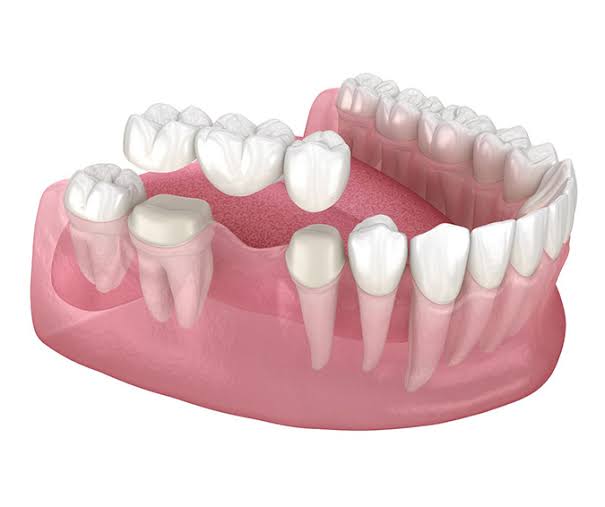
How to Care for a Dental Bridge
A dental bridge replaces a missing tooth or teeth by relying on support from neighboring teeth or implants. The replacement tooth will not decay, but the supporting teeth and nearby gums still need daily attention. Good bridge care is less about special products and more about reaching the places an ordinary brush can miss.
Clean the edges and the space underneath
Brush twice a day with fluoride toothpaste, paying attention where the bridge meets the gums. Clean between teeth daily. Your dentist or hygienist may show you how to use a floss threader, interdental brush, or water flosser around the bridge design you have. The best tool is one you can use comfortably and consistently.
Notice changes early
Call if the bridge feels loose, your bite changes, food suddenly catches, or you notice persistent bleeding, swelling, or soreness. Do not try to glue a loose bridge at home. A small change may reflect the bridge, a support tooth, the gum tissue, or something else; an exam is the way to tell.
Keep follow-up visits
Your dental team can check the bridge margins, bite, supporting teeth, and gum health at regular visits. If you are considering a bridge in Mechanicsville, ask how the proposed design will be cleaned before it is placed. That practical detail matters in everyday life.
Common questions
Can I floss under a fixed bridge? Usually yes, with a tool suited to its design; ask for a demonstration.
Will the bridge last forever? No restoration has a guaranteed lifespan; maintenance and follow-up matter.
What if it comes off? Keep it safe and call the dentist; do not use household adhesive.
For a personal recommendation, contact Elevate Smile Center in Mechanicsville at 804-746-1085. This article is general education, not a diagnosis or a substitute for care from your dentist.
Source
https://www.ada.org/resources/ada-library/oral-health-topics/home-oral-care
Comments